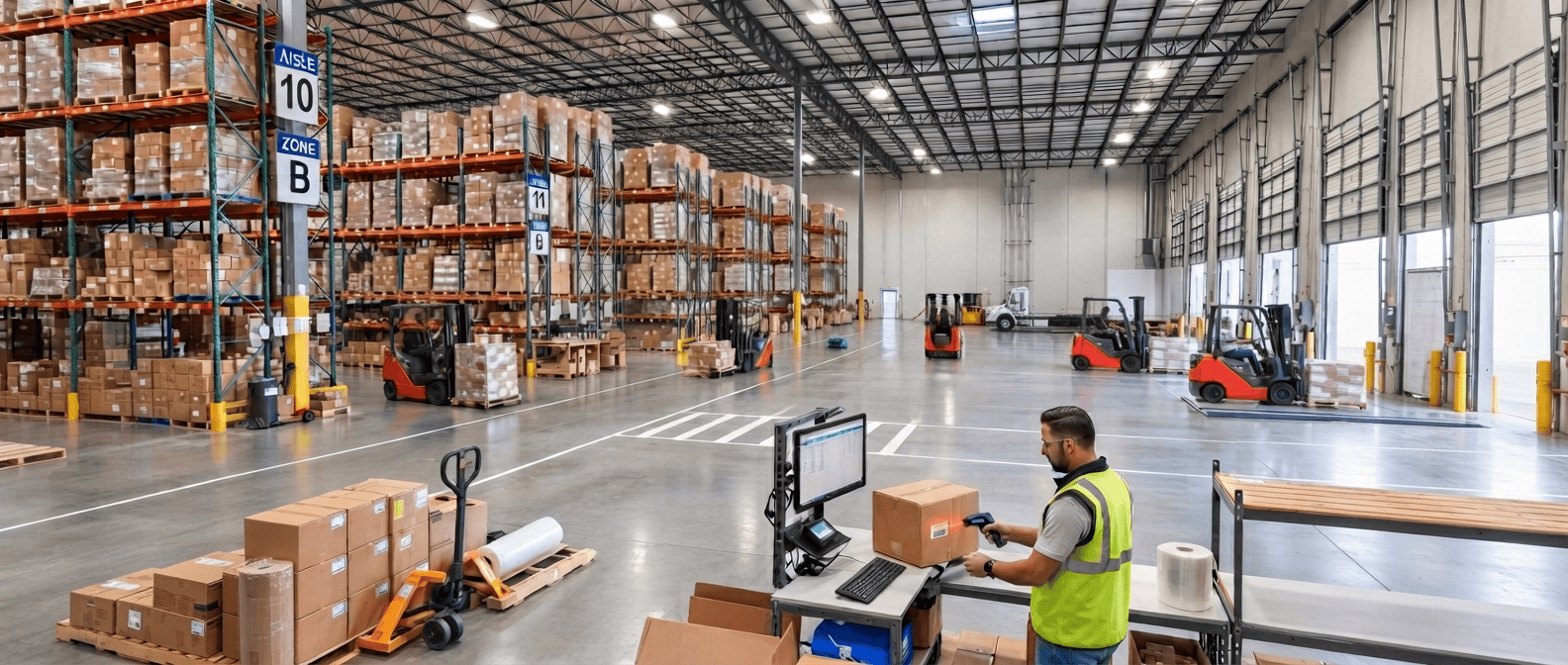

Inbound operations are the gateway to every warehouse. If receiving and putaway aren’t streamlined, everything downstream, from picking to dispatch, suffers.
Delays, misplaced inventory and inaccurate records start right at the receiving dock. In this blog, we explore how a smart WMS like Wareflux transforms inbound operations into a seamless, data-driven process with AI intelligence and real-time visibility.

The Critical Role of Inbound Operations
These tasks, though routine, are highly prone to manual errors, delays and inefficiencies if they are not automated and intelligently managed.
Core activities- Advanced Shipment Notifications (ASN)
- Goods receiving and verification
- Quality inspection
- Putaway planning and execution
- Inventory updates and labeling




Common Challenges in Inbound Management
Manual, disconnected receiving produces the same problems in almost every warehouse:
- Inaccurate or delayed ASN updates
- Manual paperwork and data entry
- Misplaced items due to poor putaway strategies
- Lack of real-time visibility into incoming inventory
- Inefficient space utilization





Such issues lead to bottlenecks, increased turnaround times (TAT) and poor inventory accuracy.

How Wareflux WMS Optimizes Inbound Operations
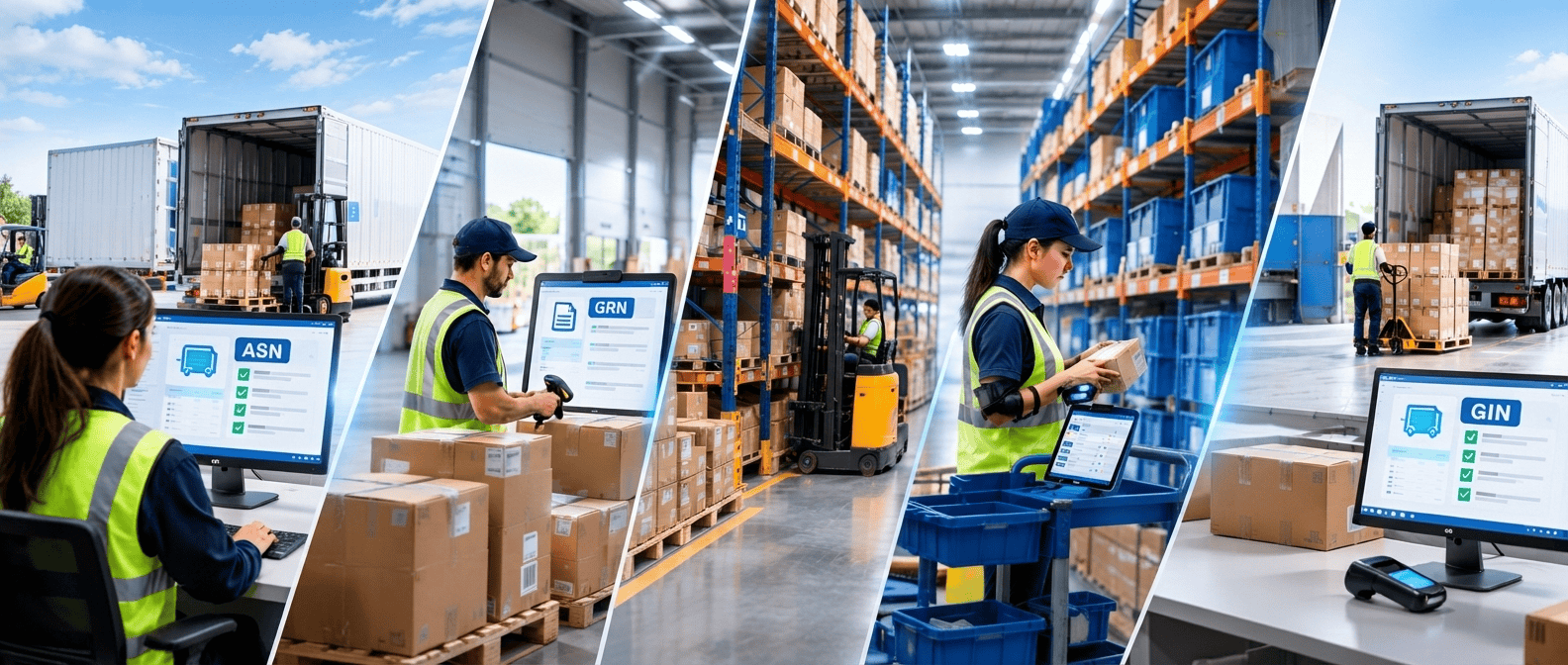
Five steps that take goods from the supplier’s notice to a labelled, trackable location.
- AI-enhanced ASN
- Digital receiving & auto-matching
- Smart quality checks
- Intelligent putaway suggestions
- Auto-labeling & real-time updates
-
AI-Enhanced Advanced Shipment Notification (ASN)
Wareflux lets suppliers or vendors submit ASNs directly into the system. AI helps match expected vs. actual receipts automatically, flagging discrepancies early, even before unloading starts.
-
Digital Receiving & Auto-Matching
Using mobile devices or handheld scanners, warehouse staff instantly verify received goods against ASNs or purchase orders. AI flags quantity mismatches, expired items or damaged goods for secondary inspection.
-
Smart Quality Checks
Wareflux enables configurable quality check parameters based on product type, supplier or category. If a batch fails inspection, the system can automatically trigger alerts, quarantine processes and vendor feedback.
-
Intelligent Putaway Suggestions
Using AI algorithms, Wareflux recommends optimal storage locations, improving space utilization and reducing future picking time. Suggestions are based on:
-
Auto-labeling & Real-time Updates
Once verified and put away, the system updates inventory in real time and generates storage location labels. This ensures 100% location accuracy and immediate visibility for the inventory control team.




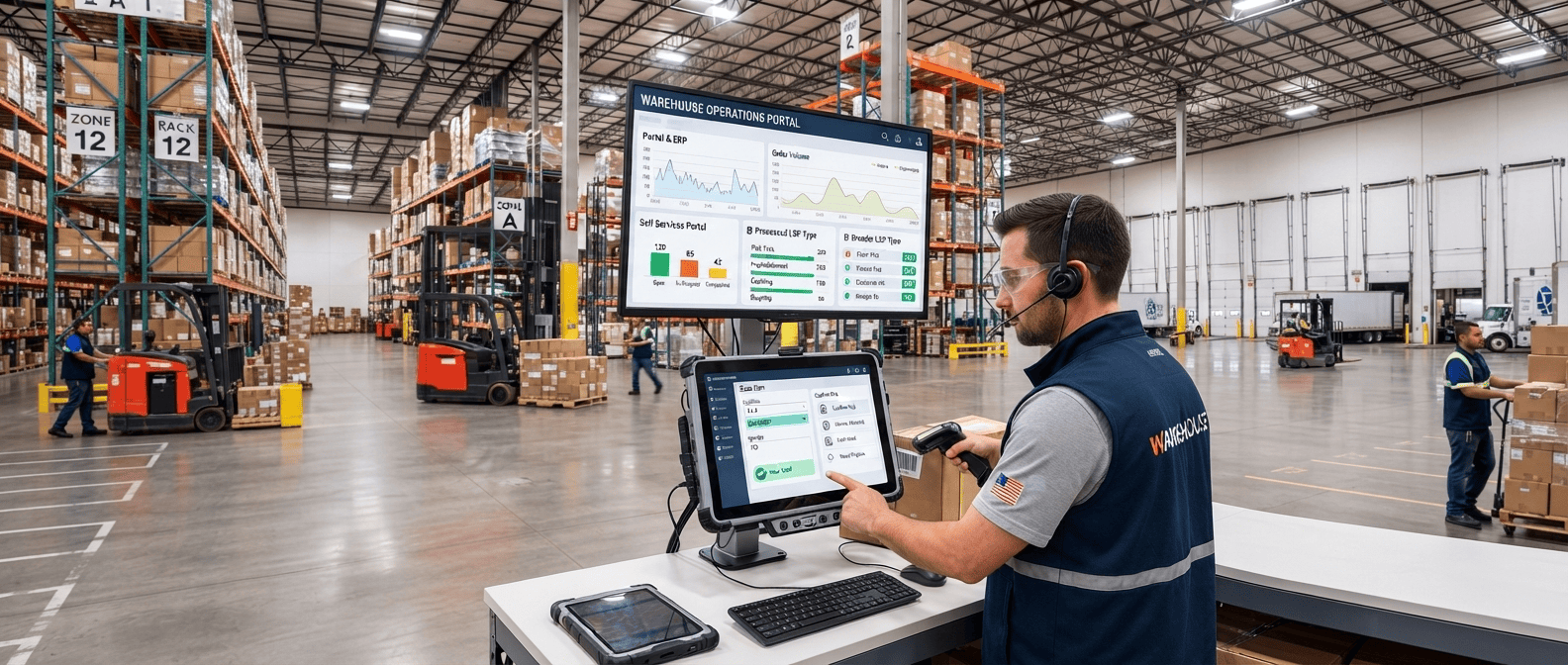
Power BI Insights: Inbound Analytics That Matter
Wareflux integrates with Power BI to turn your inbound data into visual intelligence.
These dashboards help you identify slow-moving vendors, non-compliant shipments and dock congestion, enabling data-driven improvement actions.
- Average Receiving TAT per supplier
- ASN accuracy ratio
- QC pass/fail trends by item or vendor
- Space utilization by zone
- Bottleneck analysis at the dock

Business Impact of Streamlined Inbound Processes
Automating receiving pays off quickly in both speed and stock accuracy. Typical results:
- 30–40%
- Reduced receiving time
- 99%+
- Improved inventory accuracy

- Enhanced dock-to-stock efficiency
- Better supplier performance tracking
- Quicker availability of products for sale or dispatch


Strong inbound sets up the whole warehouse.
Get it right at the dock, and every step after runs smoother.
With Wareflux WMS, you gain full control and intelligence from the moment goods arrive. AI-driven recommendations, seamless workflows and real-time Power BI reporting take your inbound process from reactive to proactive.
Want to see your receiving dock run on AI-matched ASNs and guided putaway?
Talk to our team Next in our series · Blog 3 Inventory Control & Storage Management: How to Maximize Space and Accuracy with AI and Predictive Tools